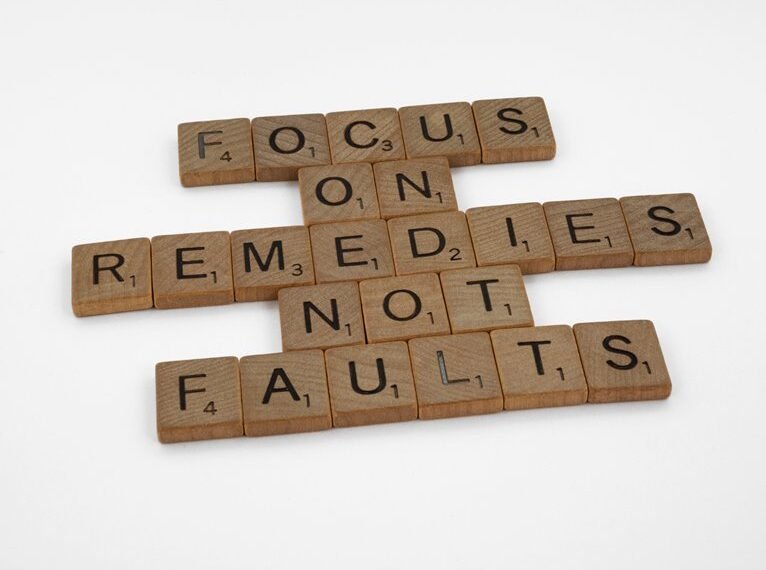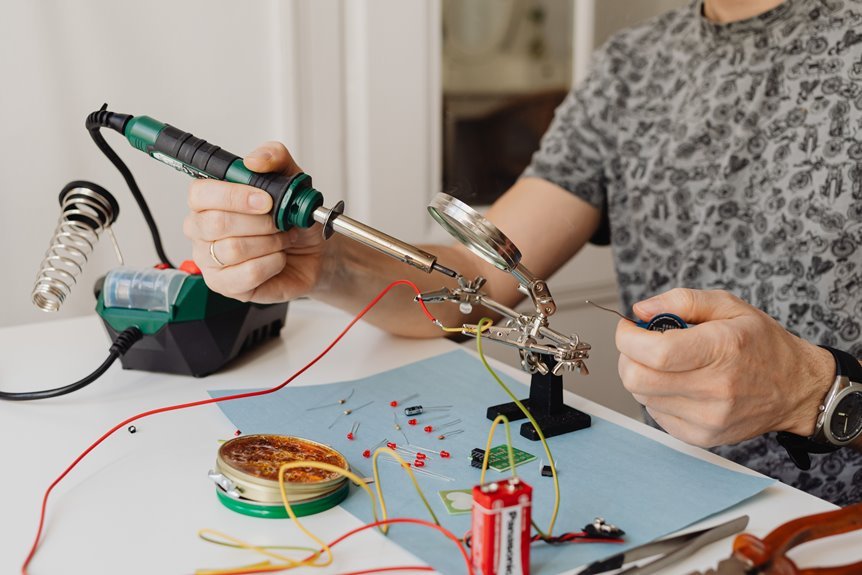
Persistent routine concerns require a disciplined approach. Start with a clear diagnosis of recurring friction, then test rapid, reversible fixes to gauge impact without broad disruption. Map triggers to meaningful actions and use habit stacking to create small, durable wins. Maintain autonomy through objective, data-driven decisions and rapid rollbacks if signals conflict. Transition from quick fixes to formal, measurable routines that endure, leaving the path forward ambiguous enough to justify continued scrutiny. The question remains: what next step will you commit to first?
What Makes Routine Concerns Persist and Why Fixes Matter
Routine concerns persist because small, repeated issues accumulate, signaling mismatches between expectations and outcomes. This pattern reveals how routine friction arises from unresolved gaps between intent and result. Proactive awareness identifies underlying needs, while behavioral triggers reveal pathways to habit drift. Recognizing these elements clarifies why fixes matter: timely, targeted adjustments prevent escalation and sustain meaningful freedom. Precision informs durable, self-directed improvement.
Quick Wins That Rebuild Confidence in Daily Habits
Small, concrete gains can restore momentum after persistent routine concerns by establishing reliable moments of success. Quick wins reuse forgotten rituals to reduce daily friction, creating small, repeatable wins that compound. Accountability loops reinforce progress, while habit stacking links simple tasks into a seamless sequence. The approach honors freedom, minimizes overhead, and emphasizes clarity, precision, and sustainable momentum without overhauls.
Systematic Fixes: Diagnose, Prioritize, and Implement Reversible Changes
Systematic fixes begin with a clear diagnosis, followed by deliberate prioritization and reversible changes. The approach minimizes risk by validating steps against conflicting data and challenging flawed assumptions. It emphasizes staged evidence, transparent criteria, and rapid rollback options. Decisions remain objective, not heroic, ensuring accountability. This method balances progress with restraint, preserving autonomy while correcting persistent routine concerns.
Moving From Band-Aids to Sustainable Routines You Can Maintain
Moving from quick fixes to durable practices requires a shift from temporary solutions to repeatable systems. The approach identifies persistent patterns and reduces habit friction by formalizing routines and triggers. Continuous improvement emerges through small, measurable adjustments. Behavioral triggers are mapped to meaningful actions, reinforcing consistency. This framework enables sustainable routines that honor autonomy while steadily advancing toward reliable, lasting results.
Frequently Asked Questions
How Long Should Initial Improvements Last Before Reevaluation?
Initial improvements should be assessed after a defined period, not indefinitely; the reevaluation timing should occur when progress stalls or stabilizes, typically within two to eight weeks, allowing adjustments as needed for sustained freedom and clarity.
What if Fixes Conflict With Existing Responsibilities?
Coincidence marks the moment; fixes must acknowledge conflicting duties and time management limits. The method balances responsibilities, avoiding overcommitment; consequences are weighed, priorities set, and adjustments made to preserve autonomy and ongoing freedom within practical constraints.
Can These Methods Apply to Mental Health Routines?
Mental health considerations can influence routine applicability, though fixed methods require adaptation. The approach grants freedom by prioritizing autonomy, incorporating flexibility, and allowing individuals to tailor practices to their needs within personal goals and values.
Are There Costs to Long-Term Adherence and Maintenance?
Costs exist with long-term adherence, and maintenance tradeoffs arise as routines stabilize. The answer highlights cost considerations, signaling ongoing investments; yet freedom-minded readers see deliberate pacing, where symbolism clarifies that persistent routines require careful upkeep and mindful allocation.
How to Handle Relapse Without Losing Progress?
Relapse strategies exist to preserve progress; one learns from setbacks while sustaining a maintenance mindset. The approach emphasizes rapid assessment, adjusted goals, and consistent routines, enabling continued freedom through disciplined adaptability and nonjudgmental persistence.
Conclusion
Routine concerns persist when friction isn’t diagnosed early, and fixes remain non-reversible until tested. A key statistic underscores the approach: teams that implement rapid, reversible changes see 40% faster cycle times than those relying on definitive but costly overhauls. By mapping triggers to actions and stacking small wins, the process stays autonomous and data-driven. Quick-rollbacks guard against misalignment, while moving from Band-Aids to measurable routines ensures durable, maintainable improvement over time.